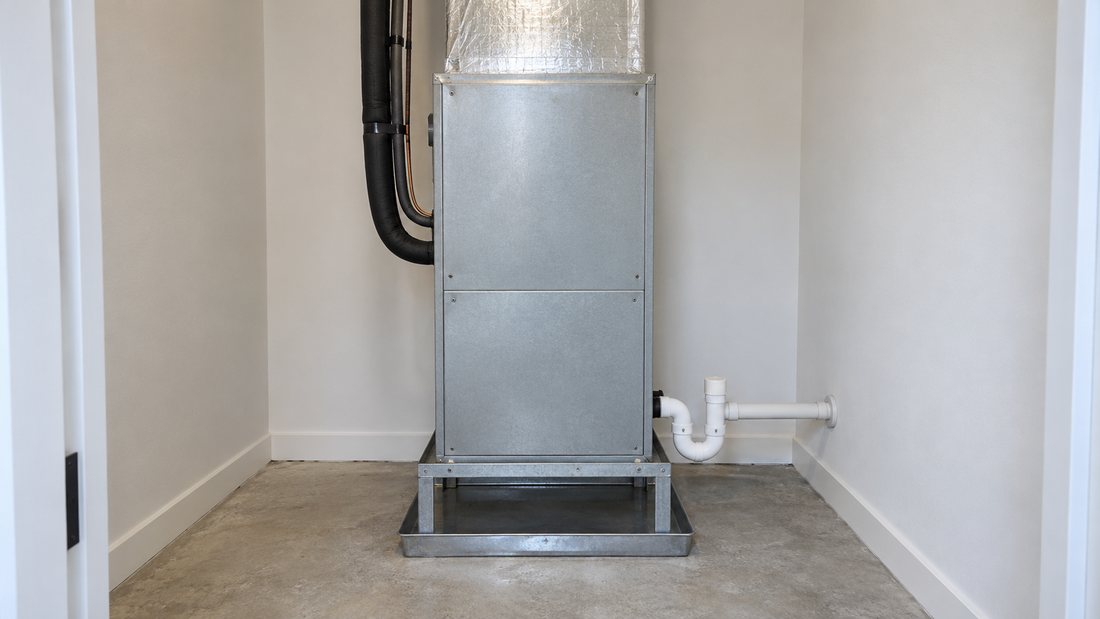
Will a frozen air conditioner fix itself when it thaws?
Thawing removes the ice, but it does not establish why the system froze. Restricted airflow, a dirty coil, a fan fault, or a refrigerant problem can be involved. Leave cooling off and arrange a check of what caused the ice.
Report the ice you can already see
Identify where the ice is visible without opening the equipment: on exposed tubing, near the indoor cabinet, or on the outdoor unit. Note whether airflow weakened first and whether water appeared as the ice began to melt.
A photograph taken from a safe position can be more useful than a guess about which coil has frozen. If you cannot see the indoor coil, say so. You do not need to remove a cover to confirm a problem before calling us.
Record whether this is the first time or whether the equipment has frozen again after a previous thaw or repair. Include the timing of a recent filter change, but avoid assuming that one change caused the fault.
Ice is the result; the cause can vary
The indoor coil needs enough moving air to absorb heat. Carrier identifies restricted airflow, dirty coil surfaces, fan problems, and refrigerant issues as possible reasons for freezing. Ice can then further restrict airflow and reduce cooling.
That is why low airflow does not tell you whether the restriction came before or after the ice. A technician needs to assess the system, including the conditions that allowed freezing, rather than judge the repair from the ice pattern alone.
Refrigerant is not a homeowner adjustment. If refrigerant work is proposed, ask what measurements and leak findings support it. A recharge without an explanation of the cause leaves an important question unanswered.
Give the system space to thaw safely
Keep cooling off and allow the ice to melt naturally. Do not choose a restart time from an online countdown; the amount and location of ice differ. If thawing water reaches an unsafe area, stay clear and arrange help.
Keep accessible return grilles and room vents free of obstructions. If filter inspection is a normal owner task in your equipment manual, follow those instructions only at a dry location you can reach safely. Do not reach into a wet air handler or run the system without its required filter.
Ask for model-specific guidance before running a fan-only setting. The right instruction depends on safe equipment access and drainage. If the coil has frozen repeatedly, do not use repeated thaw-and-restart cycles as the ongoing solution.
Ask what will prevent the next freeze
Have the filter type, any recent service report, and the sequence of symptoms ready. Ask whether airflow and blower operation were assessed and whether the planned repair addresses the observed cause. A replacement part should be connected to a finding you can understand.
Confirm whether the visit needs access to an attic, AC closet, rooftop, or locked outdoor enclosure. Arrange the authorized access rather than climbing in ahead of the technician. Share any known leak or ceiling damage so it can be considered in the visit plan.
Before approving a repair, request its price, what testing follows the work, and any warranty conditions. Ask whether water damage requires another trade. Restoring cooling and restoring damp building materials are separate decisions, even when the same freeze led to both.
Questions about this repair
Can I scrape the ice off the tubing?
No. Leave the ice to thaw naturally with cooling off. Do not use tools or heat on the tubing or coil.
Does ice prove the system needs refrigerant?
No. Airflow and fan problems can also lead to freezing. Ask for a diagnosis before agreeing to refrigerant work.
Can cooling restart as soon as the visible ice is gone?
Visible thawing does not confirm that concealed ice is gone or the cause is repaired. Keep cooling off and obtain guidance based on the equipment and the assessment.