What should I check when the AC runs without cooling?
Check that the thermostat is in Cool mode and compare its setting with the room reading. Note whether air feels warm, weak, or both. A blocked filter, coil problem, or refrigerant fault calls for different work. The symptom alone cannot tell you which repair is needed.
Describe what the air is doing
Tell us whether every room is warm or one part of the home is falling behind. A steady stream of warm air is a different observation from barely any air at a register. Record both, without removing a grille or opening the equipment.
At the thermostat, note the displayed room temperature, the requested temperature, and the operating mode. A fan setting that circulates air does not, by itself, establish that the cooling equipment is working. Record any message on the display exactly as shown.
- Did the change happen suddenly, or has cooling faded over several days?
- Does the problem affect the whole home or a named room?
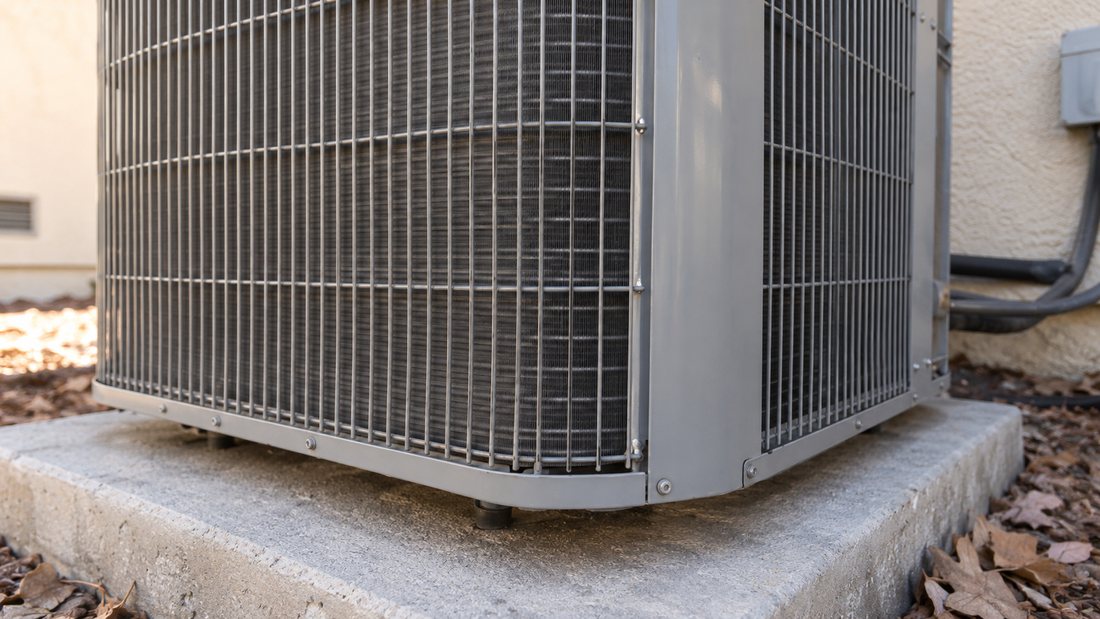
- Is the outdoor unit quiet, running, or repeatedly starting and stopping when viewed from a safe distance?
Warm air leaves several possibilities open
A dirty filter, blocked outdoor airflow, ice on the indoor coil, or a refrigerant fault can all cause poor cooling. Check the thermostat setting too. These are causes to test, not a diagnosis from the air at one vent.
If refrigerant is low, ask why. Was a leak found, and what will the repair fix? Work on the refrigerant circuit belongs with a qualified technician.
A warm afternoon alone does not prove the AC is too small. Before you agree to a new unit on that basis, ask which tests show that a larger one is needed. Ask whether airflow or a fault that can be fixed was ruled out.
Keep your checks outside the equipment
Check Cool mode and a setting below the room reading. Look for furniture or curtains covering room vents and return grilles. If the owner's manual identifies a homeowner filter you can reach safely, follow its instructions for inspection and the exact replacement type. Leave inaccessible filters to the service visit.
Do not remove cabinet panels, attach gauges, press electrical contacts, or reach through a fan guard. Ice means stop cooling and arrange a service check; do not keep lowering the thermostat to overcome it. If the house becomes uncomfortable, arrange another cool place to wait rather than staying beside the system to monitor it.
Ask for a repair decision you can understand
Have the AC model, any previous repair paperwork, and your symptom notes ready if they are already at hand. Ask what fault was found, what tests support it, and which work is needed to cool the home again. Separate that work from optional maintenance or a replacement proposal.
For a Naples condo or managed property, name who can approve work and provide access to the indoor unit and outdoor equipment. Do not assume a rooftop, locked enclosure, or common-area unit is open for entry. Check access with the property manager before arranging a visit.
Before approving work, ask about the diagnostic charge, the written scope, parts availability, and any warranty terms. Cooling repairs, duct alterations, and a new AC unit are different scopes; request explicit agreement on what is included.
Questions about this repair
Does warm air mean the compressor has failed?
No. Warm airflow cannot point to one failed part. Thermostat settings, poor airflow, ice, and refrigerant faults can all affect cooling. Ask what tests support the need for a new part.
Should I set the thermostat much lower?
Record the current setting and room reading, then confirm Cool mode. Repeatedly changing the setting makes the symptom harder to describe and does not identify its cause. If ice or a leak is present, stop cooling instead.
Can I get a firm repair price from the symptom alone?
Ask about the assessment charge first. A firm repair scope needs an identified fault, unit details, and access requirements. Ask for the planned work and price before agreeing to it.